
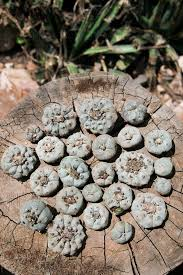
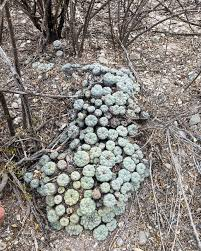
Dried Peyote & Lophophora Diffusa Specimens
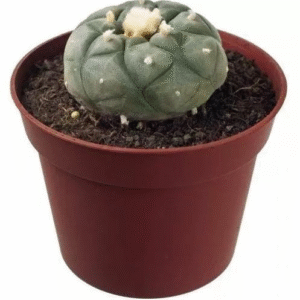
Dried peyote, specifically Lophophora diffusa or false peyote, holds a unique place in traditional ethnobotanical history. Native to the arid river valleys of Mexico, this spineless succulent produces a smooth, grey-green button with a distinct alkaloid balance rich in pellotine rather than high levels of mescaline.
Whether you are expanding your sacred botanical cabinet or pairing dried specimens alongside popular functional products like our mushroom chocolate trio, Third Eye Society provides premium, ethically sourced botanicals screened for maximum quality.
Why Explore Ethnobotanical Collections?
Many wellness practitioners combine traditional botanical study with modern functional edibles such as our mushroom chocolate trio or fruit-infused chews to build a well-rounded ceremonial routine.
-
Ethically Sourced Quality: Every dried button is carefully inspected and preserved at optimal dryness to prevent degradation.
-
Gentle Botanical Profile: Lophophora diffusa offers a milder, meditative quality suited for quiet contemplation and historical study.
-
Lab-Screened Assurance: Tested to ensure purity, cleanliness, and complete freedom from artificial additives or harsh chemicals.
Combining Sacred Botanicals with Functional Edibles
When crafting your ideal botanical experience, versatility is key. Enjoying a section from a mushroom chocolate trio alongside your reflective practice allows for consistent, delicious, and precisely measured sub-perceptual microdoses.
Always approach sacred plants with clear intention, respectful setting, and mindful integration. If you are new to functional edibles or botanicals, begin with conservative servings to observe your personal response.
Though this species may not contain anything but trace amounts of mescaline, being a spineless cactus it has no doubt evolved an alkaloid profile that would be enough to make any rabbit barf, if not drop into seizures or temporary paralysis from the high amounts of other alkaloids like pellotine, anhalonine, anhalonidine, and lophophorine. What’s more, most of these alkaloids including mescaline are biosynthesized in quite a few species of small cacti in the Cactoideae subfamily, at least in trace amounts. It makes sense – if you’re cutting caloric costs in terms of spine production but you still grow in an arid region where herbivore intensity can be high since the figurar cupboard is somewhat bare, you better be putting that energy into producing some strange and nasty chemicals (mainly alkaloids, of course).
I always say that the LEAST interesting thing about Peyote (including all 4 currently known species in the genus) is that it’s psychoactive. Way more interesting is how tough these little plants are to be able to grow in such extreme habitats (AND WITHOUT SPINES!), their subterranean storage stems, and the laundry list of chemicals they produce.
I’m much more familiar with Lophophora williamsii – True Peyote – since I live in its native habitat. It was extremely cool to become familiar with another “variation” on the theme of this species that likely diverged from the species I already know a million or two years ago. The flowers on diffusa are white, not pink, & the stigma is a bit more exserted than the stigma in flowers of L. williamsii. Reportedly, however, the pollinators are much the same : solitary bees & the tiny beetle Acmaeodera.
I also love how this cactus looks like a St. Patrick’s Day Donut somebody left on the driver seat of their 1996 Honda Civic and accidentally sat on.
To read more, check out Chan, et al. (2021) The Alkaloids from Lophophora diffusa and Other “False Peyotes” and go get it on sci-hub.






 No products in the cart.

Reviews
There are no reviews yet.